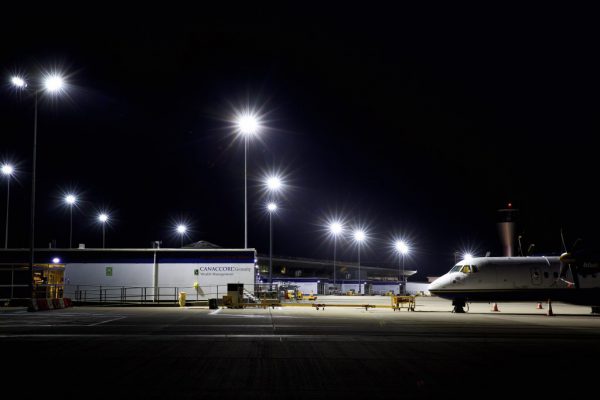
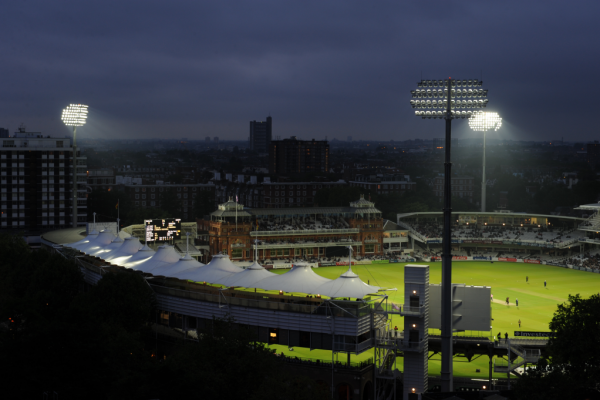
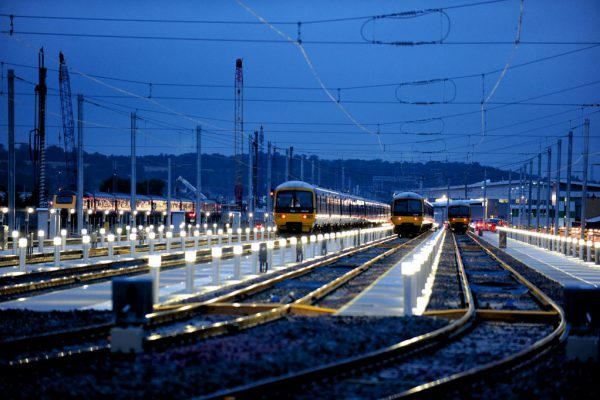
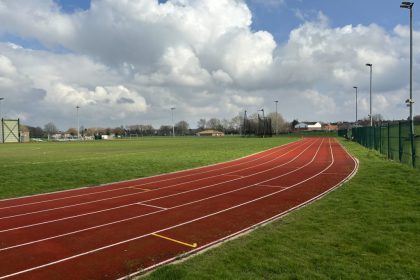
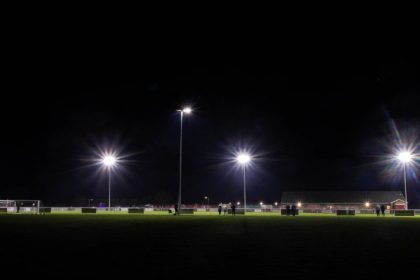
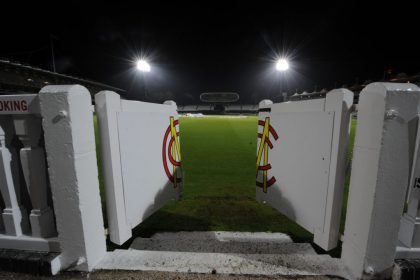
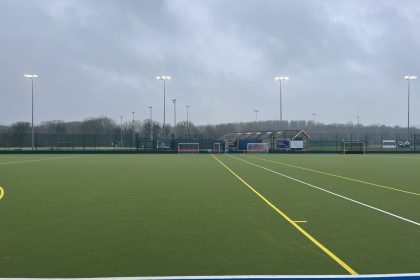
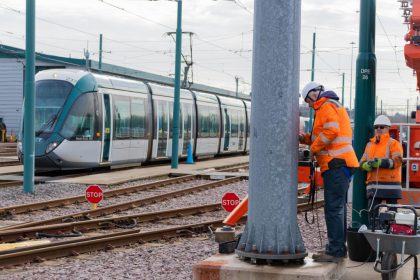
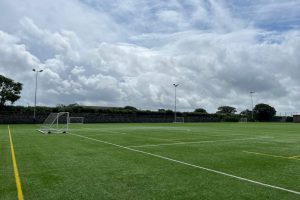
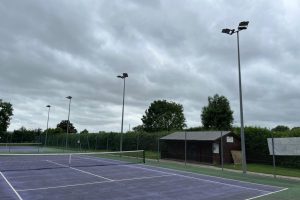
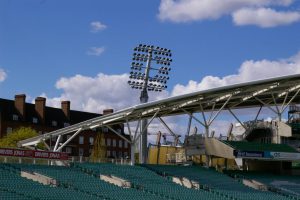
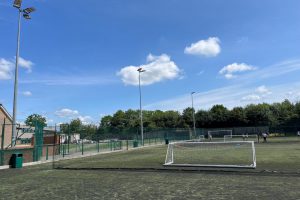
For 60 years, our innovations and creative solutions have put us at the forefront of our industry. Abacus columns, masts and high performance exterior lighting are used extensively throughout the world in some of the most challenging environments.
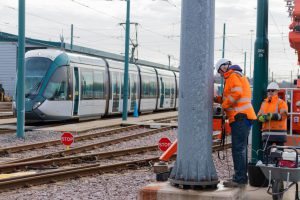
Our hard earned reputation is built on the strength, durability and quality of our solutions. Whether it’s fulfilling the complex demands of the Rail industry, providing highly controlled lighting for Retailers, or lighting many of the world’s most famous venues with iconic and architectural designs, we have extensive experience and a proven track record.
Our unique Abacus Advantage, with in-house consultation, design, manufacture, installation and maintenance ensures we deliver our promise of technically brilliant lighting solutions, on time, every time.
Abacus Lighting: 65 Years as leaders in lighting
We are delighted to commemorate a remarkable milestone in our journey – Abacus Lighting’s 65th anniversary in the industry. Since our inception in 1958, we have proudly illuminated the world with our innovative lighting solutions and unwavering commitment to quality.
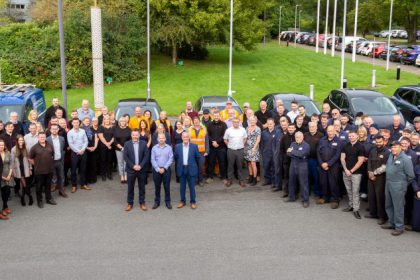
Our enduring success can be attributed to the dedication of our talented team, the trust of our clients, and our relentless pursuit of excellence. We owe our gratitude to all those who have been a part of this incredible journey.